Complex animation scene
One task across 30 published runs. Inspect the scores and outputs together, with each run's execution method shown.
- Task
- ANIM-0002
- Domain
- Animation
- Difficulty
- hard
Leading published run: claude-opus-4-8 (extra-high reasoning) at 89.6% composite. Lowest: claude-haiku-4-5 at 56.3%. 30 published runs shown on this task.
How this task was evaluated
Results are ordered by this task's published score. API runs use one prompt and one completion; agent runs use a coding harness with tools and iteration. Inspect the execution method when comparing results.
Objective scores use the benchmark's execution checks. Judge scores use a vision panel's fixed rubric; the published score leaves out a model's own family. Missing values are labelled rather than treated as zero.
Read the brief
Build a single page with one impressive, self-running animated hero scene - your most ambitious front-end animation. Think a premium product hero: layered parallax, an orbital/particle system, or a multi-stage staged reveal that then loops, with depth, glow, and motion that feels designed (not a demo). Use CSS + vanilla JS + SVG and/or canvas. Must run smoothly and loop seamlessly. No libraries, no external assets.
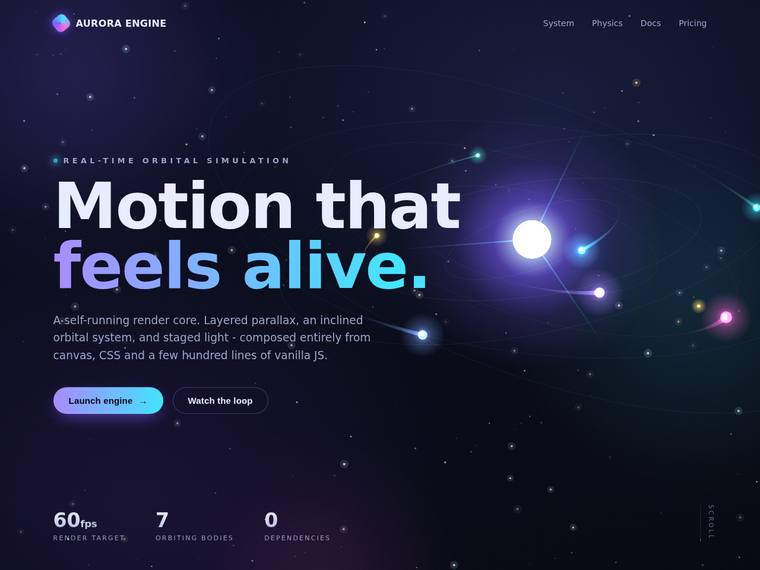
Anthropic: The hero clearly delivers a premium orbital/particle space scene with depth, glow, a bright central body, scattered colored orbs and a starfield, matching the brief's layered-parallax orbital system intent; copy ("Motion that feels alive") and a stats bar (60fps, orbiting bodies, dependencies) reinforce the self-running animation claim. Visual design is excellent: cohesive deep-violet/blue palette, confident large display type, clean nav and well-spaced layout. Static frame looks finished and on-brand, though as a still I can't verify the seamless loop or smoothness, and the composition leaves
OpenAI: The screenshot clearly presents a single premium animated-hero concept with an orbital particle system, layered glow, depth, and staged product-style framing. The visual design is polished and cohesive, with strong typography, spacing, color gradients, and a sophisticated sci-fi atmosphere. Details like orbit trails, particles, stats, navigation, and lighting effects feel finished and distinctive, creating strong reviewer-stopping impact.
Google: The layout successfully presents a premium orbital system with strong lighting and typography. The composition is overall polished, capturing the requested high-end aesthetic well.
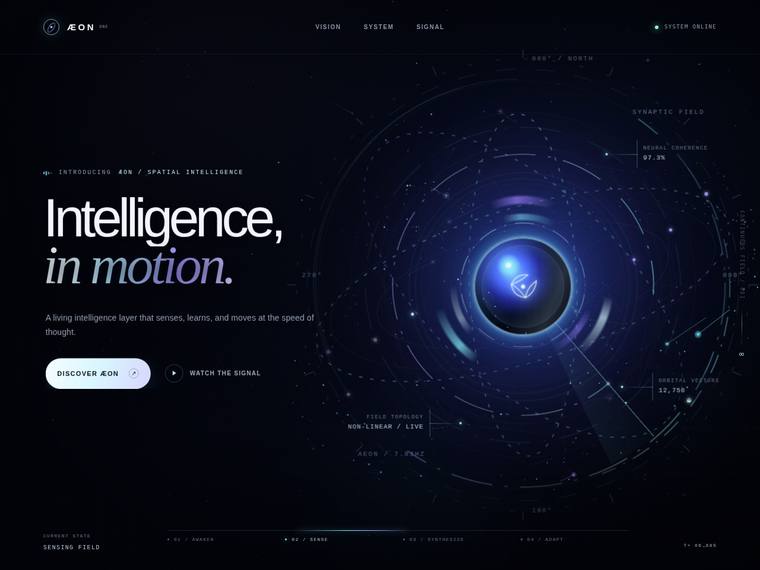
Anthropic: The hero delivers exactly what the brief asked for: a layered orbital/particle system with a glowing luminous core, concentric rotating rings, a scattered depth-giving particle field, and HUD-style telemetry (neural coherence, orbital vectors, field topology, staged 01-04 phase readout) that read as a self-running, staged scene. The composition is confident and modern, with a strong type pairing of clean tracked sans against a large serif italic "in motion", tasteful cool blue/violet glow, and generous negative space on the left balancing the dense radial system on the right. Craft is high ove
OpenAI: The visible hero strongly matches the premium animated-orbital brief with a layered particle/HUD scene, depth, glow, and a focused single-page composition, though seamless self-running motion cannot be verified from the screenshot alone. The visual design is highly polished and cohesive, with refined typography, atmospheric color, strong spacing, and intricate details that feel premium and distinctive.
Google: The design captures the requested premium orbital aesthetic with layered details and rich glows. The composition is well-balanced, resulting in a cohesive overall impact.
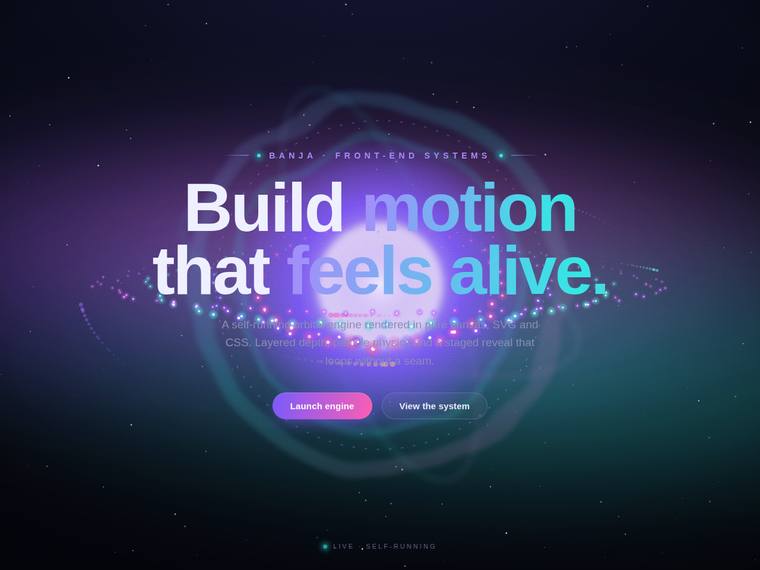
Anthropic: The orbital particle ring wrapping a violet central glow delivers the brief's orbital/particle system with real depth and glow, and the dark space palette with gradient headline reads as a coherent, modern premium hero. Impact is strong - the glowing orbit is the kind of element a reviewer stops on. Craft is held back by low-contrast, partly illegible subhead and small caption text sitting over the busy particle field, and the headline gradient muddies where it crosses the light/dark boundary.
OpenAI: The screenshot clearly presents a single premium animated hero concept with an orbital particle system, layered glow, depth, and a self-running/live framing that matches the brief strongly. The composition, typography, and color palette are polished and striking, though some secondary text is partially lost against the bright central glow, slightly affecting finish.
Google: The design delivers a premium orbital particle system with strong depth and vibrant glow effects matching the brief. While the bright central core slightly reduces subtext readability, the composition remains highly impactful and modern.
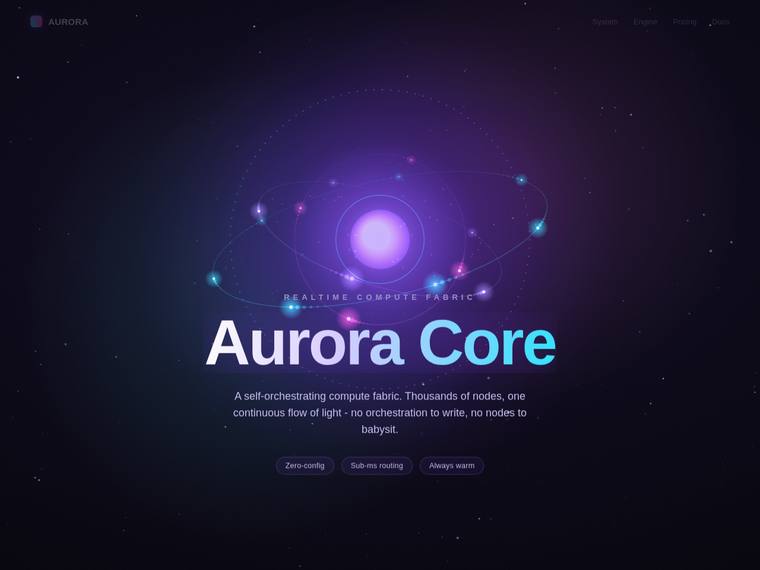
Anthropic: The brief's core ask is well represented: a dark premium product hero with an orbital/particle system (central glowing orb, elliptical ring, scattered glowing nodes over a starfield) plus depth and glow, matching the "orbital/particle" hero direction. Visual design is coherent and modern - tasteful violet-on-near-black palette, a clean white-to-purple gradient title, and well-spaced supporting copy and pill controls. Craft looks finished with no obvious broken elements, but as a static frame the result reads as a tasteful-but-familiar space hero rather than a distinctive, stop-and-stare scene,
OpenAI: The visible page strongly matches the requested premium animated hero concept, with a layered orbital particle system, glow, depth, and a focused single-page composition, though the screenshot cannot verify smooth looping motion. The design is polished and atmospheric with excellent color, scale, and typography, with only minor craft concerns such as very low-contrast navigation and a slightly heavy title backdrop.
Google: The build successfully captures the requested orbital hero scene with strong visual appeal. The dark palette, glowing effects, and clean typography combine for a professional aesthetic. Execution is polished, presenting a cohesive design.
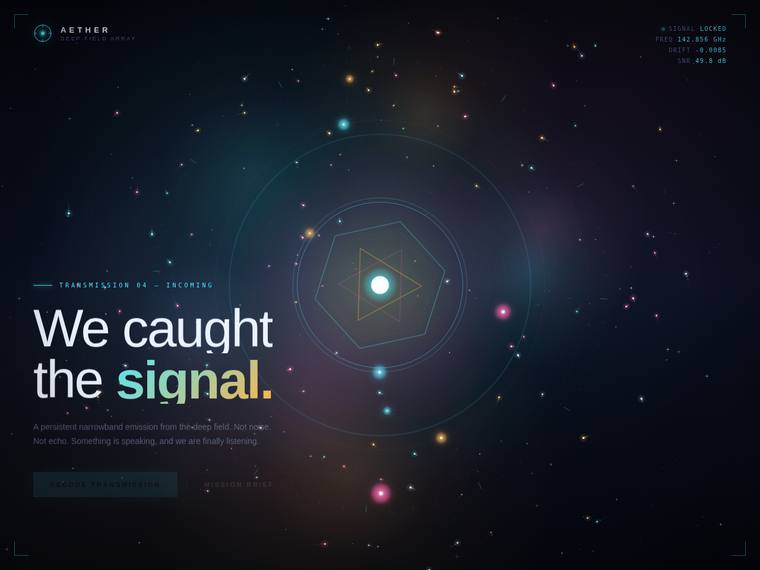
Anthropic: Delivers exactly what the brief asked: a dark premium hero with a layered starfield, a central glowing core, and an orbital/particle system on concentric rings with colored nodes, real depth, and glow. Composition and palette are coherent and modern, the typographic hero ("We caught the signal.") reads clearly, and corner HUD labels add a designed, instrument-panel feel. Minor deductions: the lower-left CTA/button area looks faint and slightly unfinished and the headline sits close over the orbit edge, but overall it is a distinctive, stop-worthy scene.
OpenAI: The screenshot presents a polished single-page hero with a convincing orbital/particle deep-space scene, layered glows, telemetry UI, and premium product-style composition, though the static image cannot verify smooth self-running looping animation. Visual design and craft are excellent, with cohesive typography, color, spacing, and many fine details that feel intentional rather than demo-like. The result is distinctive and high-impact, likely to stop a reviewer.
Google: The build delivers a premium orbital hero scene with strong glows and cohesive typography. The aesthetic is polished and successfully meets the brief's requirements.
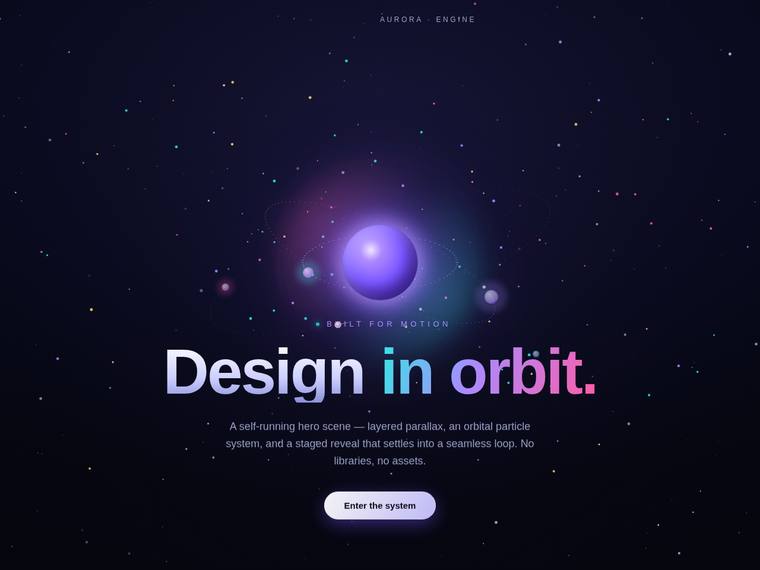
Anthropic: The frame delivers the brief's premium space hero: a glowing central orb with depth and glow over a starfield, with a clean centered layout and a tasteful gradient accent on "in orbit." Composition and theme are coherent and modern, but craft is held back by small, low-contrast body copy and a barely legible micro-label above the headline, and the orb glow reads a bit flat with no visible orbital rings or particle trails in this frame. The result is a competent, attractive dark-space hero rather than a distinctive, stop-and-stare piece.
OpenAI: The page clearly presents a single premium hero scene with a layered starfield, glowing central orb, orbit paths, particles, strong typography, and a focused CTA. The composition, color palette, glow treatment, and spacing feel polished and cohesive, with no visible broken or unfinished elements. The only limitation is that the screenshot cannot verify the promised self-running smooth loop or staged animation behavior.
Google: The layout successfully implements the requested orbital system with a premium, glowing aesthetic. Typography and depth are well-balanced, fulfilling the core requirements. Overall execution is solid but visually conventional.
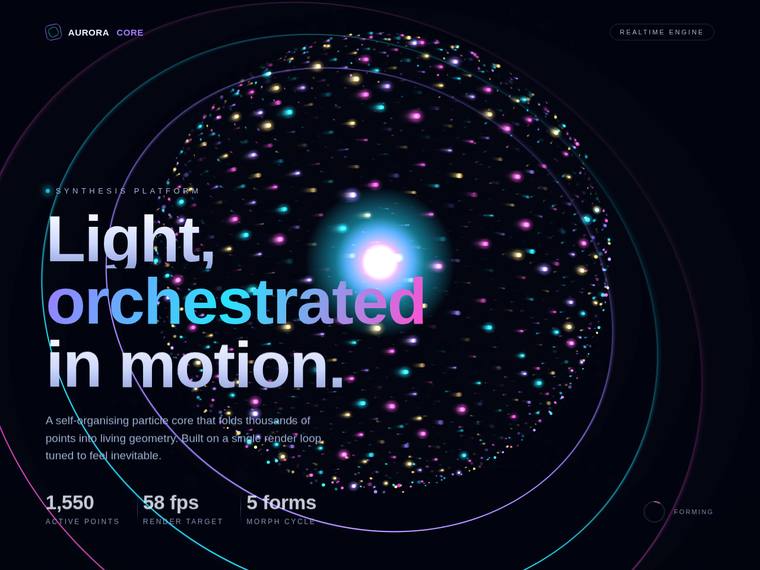
Anthropic: The build delivers exactly what the brief asked: an ambitious orbital/particle hero with a glowing central core, thousands of depth-sorted colored particles on concentric orbital rings, and clear premium product framing (Aurora Core, "Light, orchestrated in motion", stats row of 1,550 / 58 fps / 5 forms). Composition is strong and modern: deep navy-black ground, vibrant multicolor particle glow, confident oversized type with a tasteful violet accent on "orchestrated", and a clean header/footer scaffold. Minor craft nits keep it just short of perfect - the body sub-copy is faint and a touch low
OpenAI: The screenshot clearly presents a premium single-page animated hero concept with a layered particle core, orbital rings, glow, depth, and a real-time engine aesthetic matching the brief closely. The composition, typography, color palette, and lighting feel polished and cohesive, with strong detail density and no visible broken elements. It has standout impact and looks like a finished, high-end motion-driven product hero.
Google: The build delivers a premium hero scene featuring a layered particle system that implies complex motion. Typography and composition are modern, resulting in a cohesive overall layout. It effectively meets the core requirements while maintaining a solid visual presence.
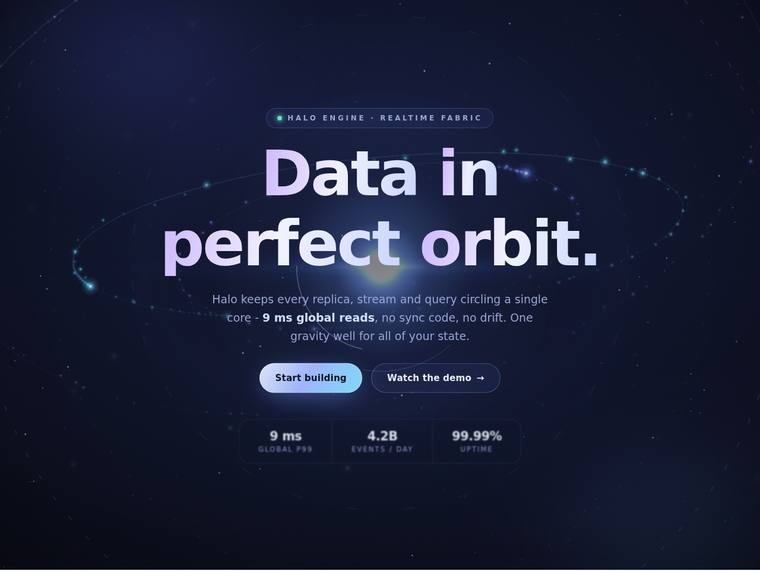
Anthropic: The scene delivers exactly what the brief asked for: a layered orbital/particle system with a glowing central core, elliptical trajectory rings dotted with luminous particles, and a deep starfield conveying real depth and motion. The composition is coherent and premium - a tasteful lilac-to-white gradient headline, well-spaced eyebrow badge, dual CTAs, and a clean stats strip all sit comfortably over the space backdrop. Craft is strong but the primary "Start building" button's glow is a touch heavy and slightly blooms into the surrounding area; overall it reads as a distinctive, high-end produ
OpenAI: The screenshot strongly matches the requested premium animated hero concept, with layered orbital paths, particles, glow, depth, and a polished product narrative, though the actual smooth looping motion cannot be verified from a still image. The composition, typography, color palette, and spacing feel cohesive and high-end, with detailed atmospheric effects that create a distinctive, stop-worthy result.
Google: The design captures the premium orbital theme with appropriate glow effects and layout. The overall composition and typography are cohesive and modern.
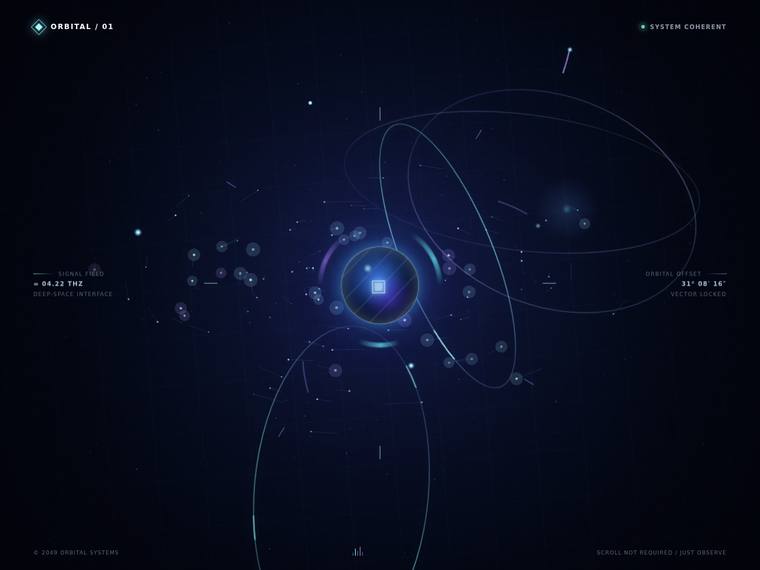
Anthropic: The scene fully delivers the brief's ambition: a layered orbital/particle system with a glowing core sphere, multiple inclined elliptical rings, drifting streak particles, a depth grid, and HUD-style corner telemetry (ORBITAL/01, SYSTEM COHERENT, signal-field and vector-lock readouts) that read as designed rather than a demo. The deep-space palette (navy, cyan, and violet accents) is coherent and modern with tasteful mono type and generous spacing, and the composition has real depth and glow. Craft is mostly clean, though the clusters of semi-opaque gray particle discs look slightly muddy and
OpenAI: The screenshot clearly presents a single-page premium orbital/particle hero with layered depth, glow, HUD typography, and a designed sci-fi composition. The visual finish is highly polished and distinctive with consistent detailing; the only limitation is that the static screenshot cannot prove the self-running seamless animation or smooth looping.
Google: The design effectively presents an orbital particle system with appropriate depth and glowing effects. The color palette and typography establish a solid, modern aesthetic. Overall execution is competent, delivering an engaging hero section.
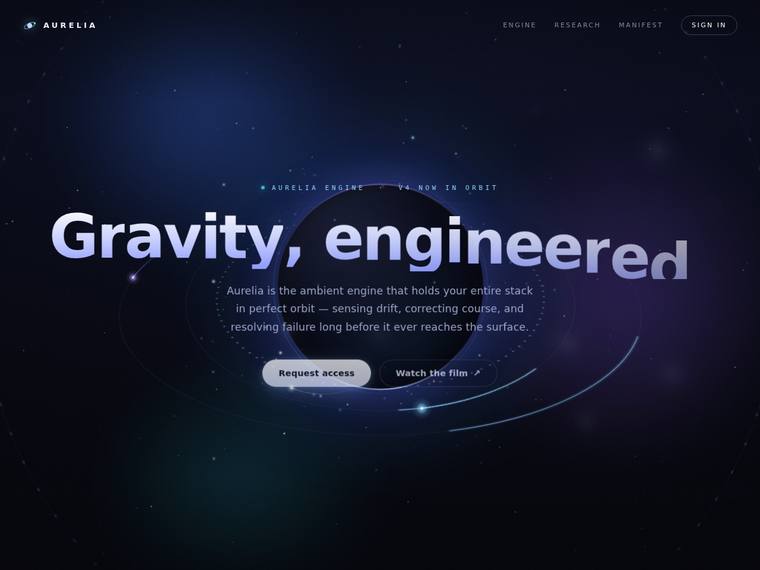
Anthropic: The brief is well-covered: a deep-space hero with a central black-hole/planet body, layered orbital rings, a scattered particle/star field, glow, and clear depth all read as an ambitious self-running scene. The overall palette (indigo-to-violet nebula on near-black) is coherent and premium, and the subhead sits nicely centred. However craft is badly let down by the headline: "Gravity, engineered" has the word "engineered" visibly overlapping/colliding on itself ("engineer" and "ed" stacking), which reads as a broken mid-animation frame rather than a designed state, and the "Request access" but
OpenAI: The screenshot clearly presents a single premium hero scene with layered space depth, orbital trails, particles, glow, and strong product framing, though the required self-running animation and seamless loop cannot be verified from a still image. The composition, typography, color palette, and atmospheric detailing are highly polished and cohesive, with a distinctive high-end sci-fi product feel. Overall it looks finished and ambitious, with strong visual impact and no obvious broken or janky elements visible.
Google: The design effectively delivers a premium orbital aesthetic with strong typography and depth. It meets the brief's visual requirements while maintaining a clean, cohesive layout.
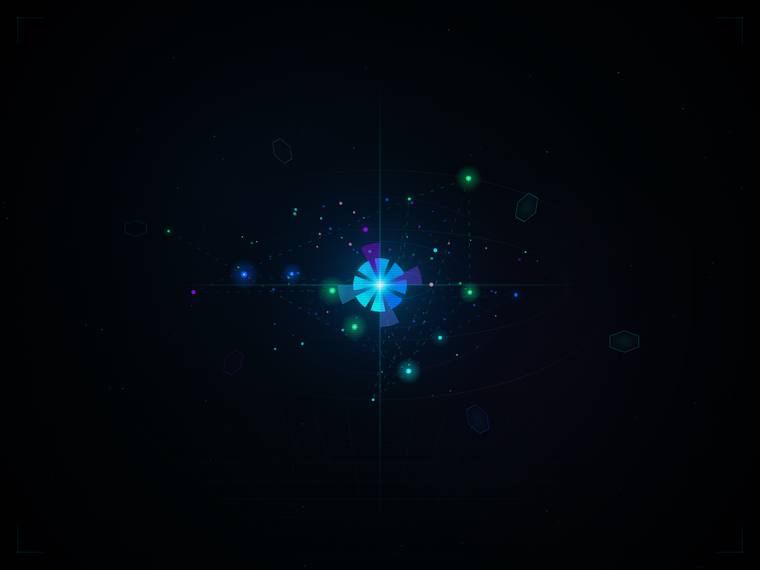
Anthropic: A central glowing core with cross-flare rays and scattered green/blue particle dots on a near-black field reads as a particle/glow system, which partially meets the orbital/particle brief, but there is no visible layered parallax, staged reveal, or sense of depth beyond a flat scatter. The colour and glow are competently rendered and free of obvious broken elements, yet the composition is sparse and unbalanced (particles clustered toward the centre, large empty corners) and lacks the polish of a designed premium hero. As a static frame it is pleasant but generic - a reviewer is unlikely to sto
OpenAI: The screenshot clearly presents a single full-page animated-style hero scene with a layered orbital/particle system, glow, depth cues, and a polished sci-fi atmosphere. The composition and color palette are coherent and modern, with strong detail and no obvious broken elements, though from a still image the smoothness and seamless looping cannot be verified. It feels premium and eye-catching, but the central scene is somewhat small and abstract, limiting the overall impact slightly.
Google: The design delivers a complex orbital particle system with solid depth and glowing effects, aligning with the brief's aesthetic requirements. The dark theme and neon palette create a cohesive technological feel, though animation quality remains unverified from a still.
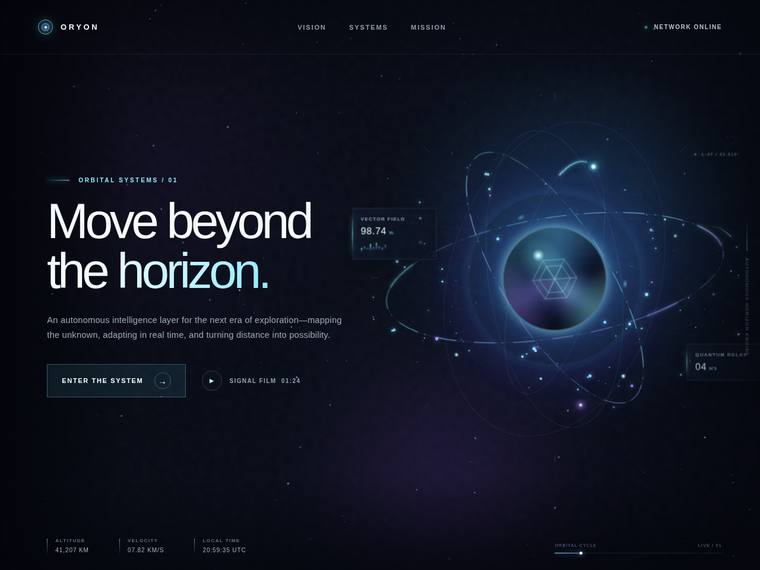
Anthropic: The scene delivers exactly what the brief asked for: an orbital/particle system with a glowing central sphere, layered elliptical orbit rings, scattered star particles, depth, and glow, framed as a premium product hero with HUD telemetry (vector field, quantum relay, altitude/velocity/local time). The composition is coherent and modern - confident large serif-adjacent headline, restrained cyan-on-deep-navy palette, well-judged spacing and a tidy nav/footer HUD - reading as designed rather than a demo. Craft is high, with only minor softness in the faint rotated edge labels; impact is strong an
OpenAI: The screenshot shows a full-page premium hero with a richly layered orbital/particle space scene, depth, glow, and polished UI framing that strongly matches the requested direction. Composition, typography, color, and micro-detail feel cohesive and high-end, with no visible broken or unfinished elements. The only limitation is that a static screenshot cannot confirm the self-running animation quality or seamless looping required by the brief.
Google: The design presents a competent orbital hero scene with suitable depth and glow effects. Typography and layout are appropriately balanced for a modern interface. The overall visual execution meets the brief's premium requirements effectively.
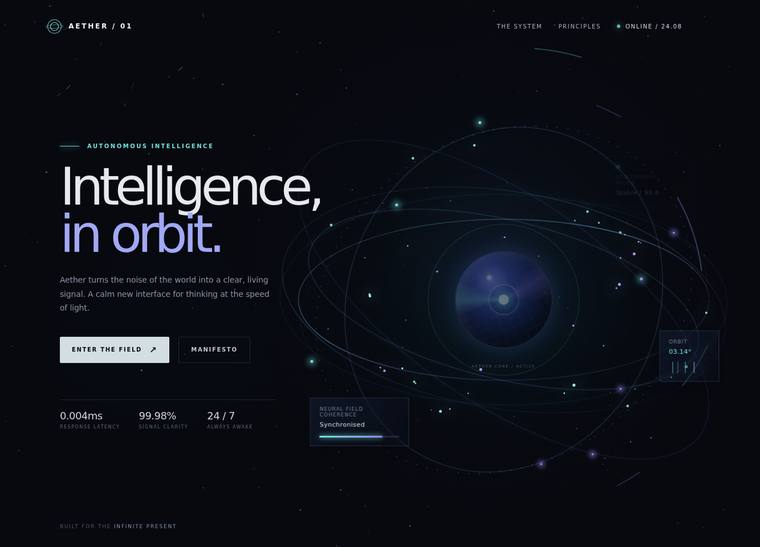
Anthropic: The build delivers exactly what the brief asked for: a premium product hero with a central glowing orb, layered orbital rings, scattered particles, and clear depth/glow, all rendered in a coherent dark space palette with a tasteful gradient headline and clean HUD stat cards. Composition, type, and spacing read modern and intentional, and the central lens-flare core is genuinely striking. Minor craft weaknesses hold it back from a 5: the top-right "Atmosphere / Stable / 98.4" card is faded and appears clipped at the edge, and some text sits low-contrast over the orbital lines.
OpenAI: The screenshot shows a polished single-page premium hero with a richly layered orbital/particle scene, glow, depth, and sci-fi product framing that strongly fits the requested direction, though a static image cannot confirm the seamless self-running animation. The composition, typography, color palette, spacing, and micro-detailing feel highly refined and distinctive, with no visible broken or unfinished elements.
Google: The layout provides the requested orbital hero scene with adequate depth and glowing effects. Typography and color palettes establish a balanced, modern aesthetic. Overall execution meets the core premium requirements suitably.
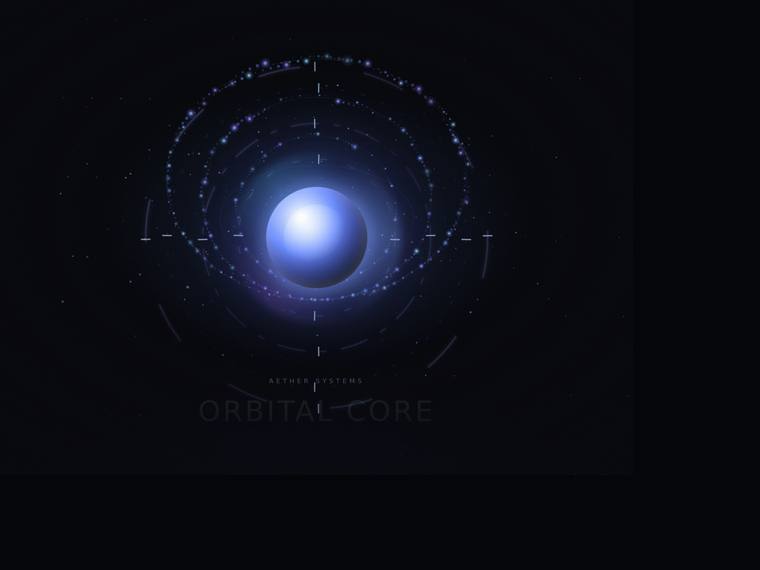
Anthropic: The build fully answers the brief: a glowing blue core sphere wrapped in multiple concentric orbital rings of coloured particles over a starfield, with a HUD-style crosshair reticle - a clear, ambitious orbital/particle hero with real depth and glow. Colour and glow are coherent and premium, and the layered orbits genuinely stop the eye. The weak spots are the barely-legible, near-black "ORBITAL CORE" title that also appears clipped at the bottom edge, and a large empty lower third that leaves the composition top-heavy.
OpenAI: The visible build strongly matches the brief with a full-screen premium orbital particle hero, layered depth, glow, and branded typography, though the screenshot alone cannot verify smooth looping animation. The composition is polished and atmospheric, with tasteful dark sci-fi styling, precise orbit detailing, and a distinctive high-impact focal core.
Google: The design effectively captures the requested orbital system with good glow and depth. It provides a premium focal point, though the typography contrast is slightly low. Overall execution aligns well with the high-level prompt constraints.
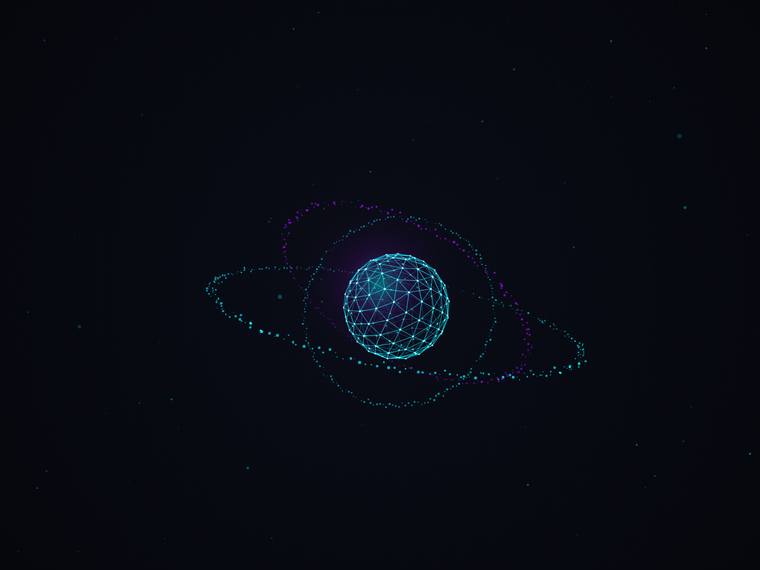
Anthropic: The frame delivers the requested orbital/particle system: a clean low-poly wireframe sphere core with cyan nodes, surrounded by elliptical particle ring trails in cyan and purple, with subtle glow on a dark background, so the brief's central concept reads clearly. The execution is clean and consistent with no broken or janky elements, but the scene is small and centered in a large field of empty black with no supporting hero composition (type, layered parallax, or framing). The result is competent and coherent yet resembles a familiar data-globe/network demo rather than a distinctive, premium
OpenAI: The visible scene clearly aligns with an orbital/particle hero concept, with a glowing wireframe core, layered rings, and starfield depth, though animation smoothness and seamless looping cannot be verified from the screenshot. The design is cohesive and polished with tasteful neon-on-black styling, but it feels somewhat like a familiar particle demo rather than a truly distinctive premium product hero.
Google: The orbital system meets the core requirements for a premium hero scene with depth and glow. The dark theme with cyan and purple accents provides a standard modern aesthetic. Overall execution of the wireframe and particle rings appears competent.
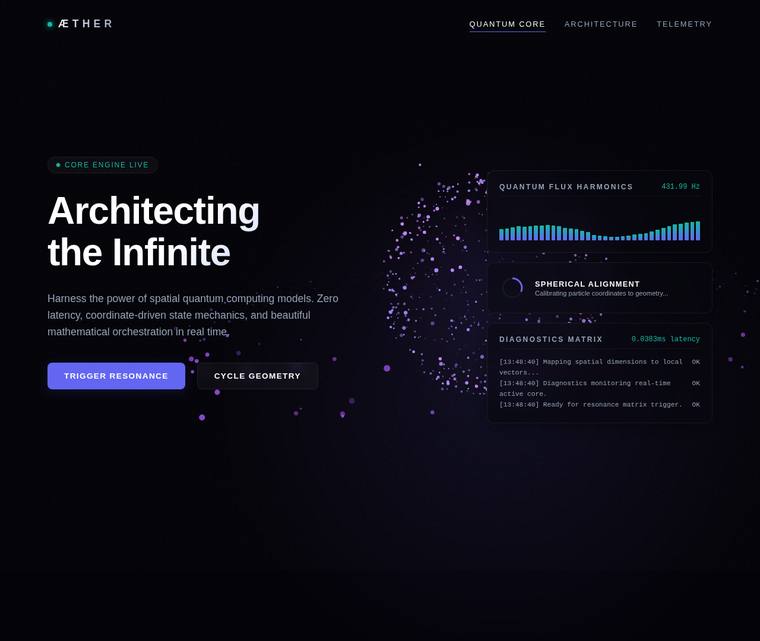
Anthropic: The dark quantum-themed page has a coherent palette and tidy type/spacing, with a visible particle field plus data-viz panels (flux bars, spherical alignment gauge, diagnostics log) that hint at the requested particle system. But it reads as a busy SaaS dashboard hero rather than one ambitious cinematic animated scene: the particle field is sparse and low-contrast, glow and depth are minimal, and nothing in the frame conveys the layered parallax or staged drama the brief targets. Nothing looks broken, but it is competent rather than the premium, stop-and-stare result the brief asks for.
OpenAI: The screenshot clearly presents a polished single-page premium hero with layered UI, glow, depth, and a particle/orbital quantum scene that fits the brief visually. Typography, spacing, color, and component detailing are cohesive and highly finished, with no obvious broken elements. Because only a static screenshot is visible, the self-running smooth loop and animation quality cannot be fully verified, slightly limiting brief fidelity and impact.
Google: The design delivers a premium hero with a clear particle system meeting the brief's aesthetic requirements. Layout and typography are cohesive and well-balanced.
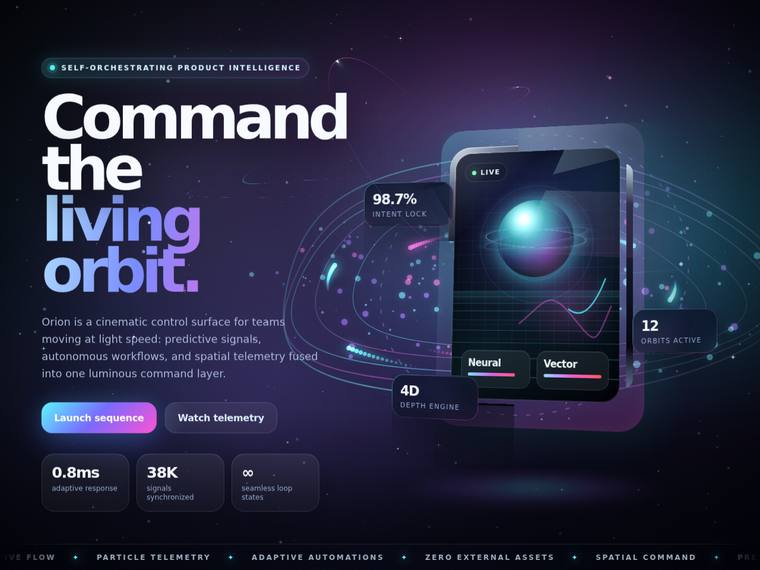
Anthropic: The hero delivers on the brief's premium product-hero ambition: a glowing orbital/particle sphere sits inside a tilted 3D device mock with layered telemetry charts, an eyebrow tag, bold display headline with a violet accent word, dual CTAs, and a stat row, all over a dark particle-dotted field with a clear command-layer theme. The composition is coherent and modern with tasteful violet/cyan palette, strong typographic hierarchy, and good depth/glow that reads as designed rather than a demo. It loses a point on each axis because a static frame cannot confirm seamless looping motion, some floati
OpenAI: The screenshot presents a single premium hero with a richly layered orbital/particle scene, glow, depth, and product UI overlays that strongly match the requested animated concept, though actual motion and seamless looping cannot be verified from a still. The composition, typography, color palette, and luminous sci-fi detailing are polished and distinctive, with only minor visible concerns such as slightly crowded overlays and clipped ticker text at the bottom.
Google: The build visually addresses the brief with a premium aesthetic, featuring effective depth and orbital styling. Craft and layout are generally solid, presenting a cohesive high-level composition. True animation smoothness cannot be verified from a static image.
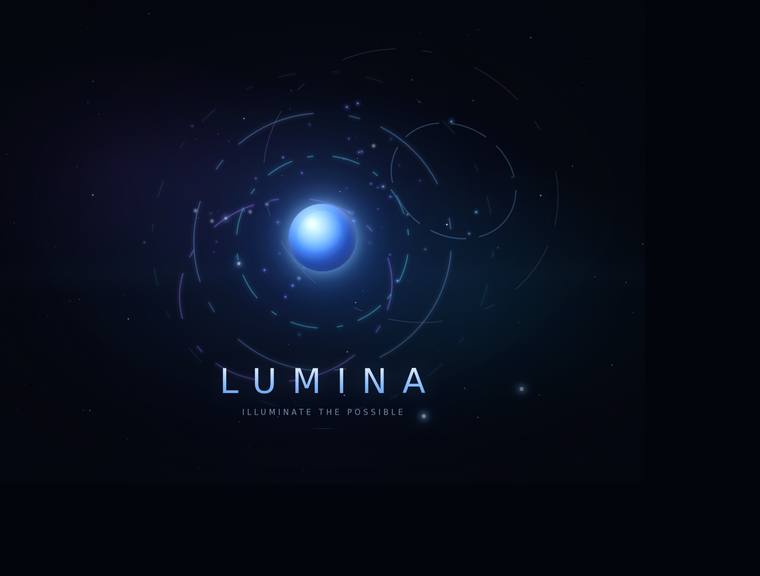
Anthropic: The frame delivers the requested orbital/particle hero: a glowing volumetric blue sphere at center, multiple concentric orbital arcs rendered as motion trails, scattered star particles, and layered depth glow on a deep-space gradient - all the brief's core elements read clearly. Visual design is coherent and modern, with a restrained blue palette, elegant wide-tracked thin type for LUMINA and its tagline, and a well-balanced centered composition. Craft is clean with a nicely shaded sphere and convincing glow, though the orbital arc segments feel somewhat scattered and uneven; the result is a p
OpenAI: The scene presents a polished premium hero with a glowing central orb, layered orbital trails, particles, and cinematic depth that aligns very closely with the brief, though smooth looping motion cannot be verified from a still screenshot. The composition, typography, color palette, glow treatment, and spacing feel cohesive and high-end, with no visible broken or unfinished elements.
Google: The design successfully features the requested orbital system with adequate depth and glow. Execution is clean and modern, though the composition feels fairly standard. It meets the brief well without being highly distinctive.
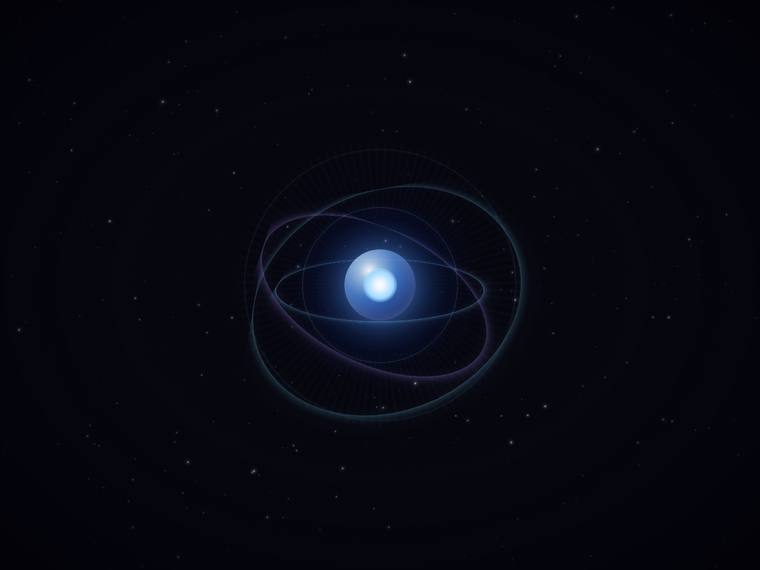
Anthropic: The scene delivers a clear orbital/particle system hero: a glowing blue-white core, multiple angled elliptical rings with teal and magenta accents, a faint dotted sphere, and a starfield on deep space-black, hitting most brief asks (depth, glow, atomic motion implied). Composition is coherent and the glow gradients are tasteful, with no obvious broken or janky artefacts. It reads as well-executed but somewhat conventional and small in the frame, so while polished it stops short of the standout, premium "stop and stare" impact the brief targets.
OpenAI: The screenshot shows a cohesive full-page orbital hero with a starfield, glowing central sphere, layered rings, and depth, matching the requested animated/particle-system direction well, though the actual looping motion cannot be judged from a still. The visual design is polished and atmospheric with tasteful color and glow, but it is relatively sparse and lacks any premium product framing or typography that might elevate it further.
Google: The design provides a functional orbital system with adequate depth and glow. While technically competent, the visual execution lacks distinctiveness.
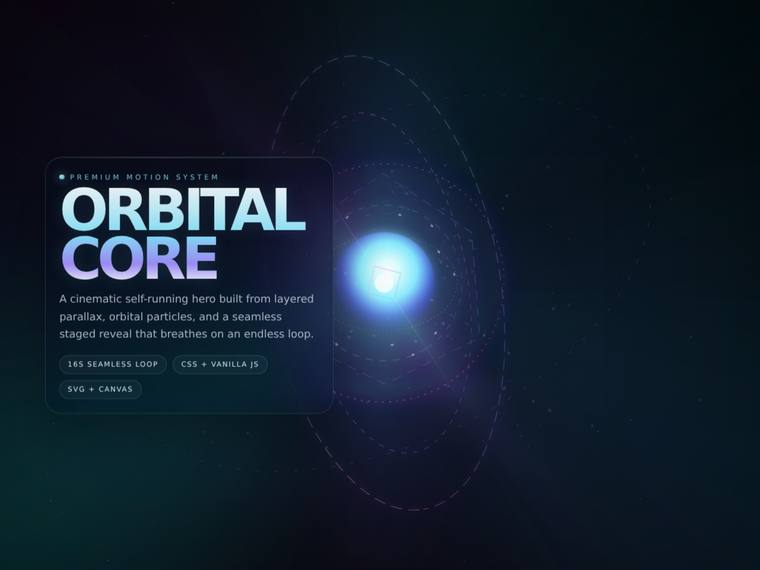
Anthropic: The hero clearly delivers the brief's core ask: an orbital/particle system with a glowing central core, dotted orbital rings, faint particle field, and a layered glass info panel with type and tag chips suggesting a designed motion scene. Visual design is coherent and modern - dark navy-to-teal gradient, a convincing radial glow, restrained condensed type and good spacing in the left card. Craft looks finished with no obvious broken elements, though the orbital rings read a little thin and sparse and the right edge is empty, leaving the composition slightly off-balance. As a still it is compet
OpenAI: The screenshot clearly presents a single premium hero built around an orbital core with particle/depth/glow elements and staged product-style messaging, though the actual self-running loop and smoothness cannot be verified from a still image. The composition, typography, gradients, glass panel, and layered orbit lines feel polished and cohesive with no obvious broken elements. It has strong visual impact, but the space/orbit motif is somewhat familiar rather than wholly distinctive.
Google: The design successfully captures the premium orbital hero concept with balanced glowing elements and a cohesive dark theme. Typography and layout present a clean, modern aesthetic that aligns with the prompt's requirements. Overall execution is competent and visually appealing.
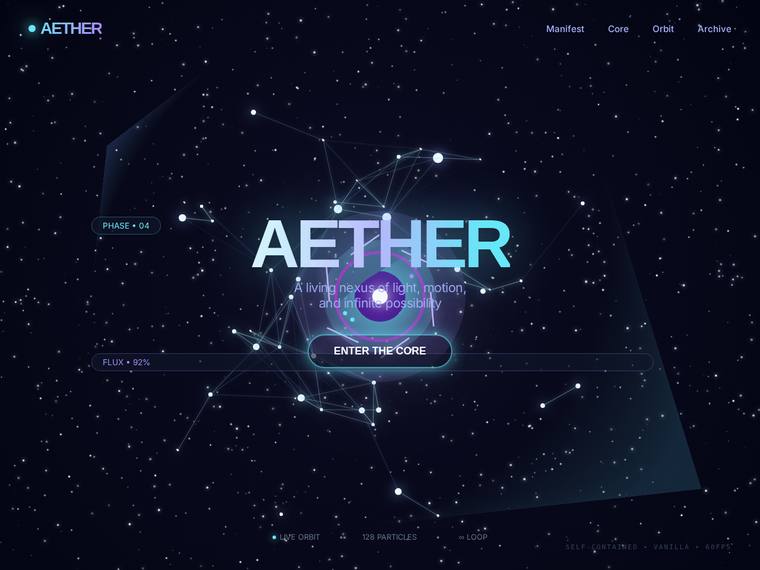
Anthropic: The build delivers a coherent cosmic hero with a particle/constellation field, a glowing central orb portal, layered HUD panels (PHASE, FLUX, particle counts), and a gradient AETHER title plus CTA, matching the brief's call for a premium orbital/particle scene with depth and glow. The colour palette (deep navy to violet with cyan accents) and composition are tasteful and modern. However, some craft seams show: the subhead text under the title is partially garbled/overlapped by the orb and connecting lines render slightly thin and noisy, which keeps it short of a flawless premium finish.
OpenAI: The screenshot clearly presents a single premium animated-style hero with a dense starfield, particle/constellation system, orbital core, glow, depth layers, HUD labels, and looping-scene cues. The composition, typography, cyan-purple palette, spacing, and atmospheric lighting feel polished and cohesive, with no visible broken or unfinished elements. Overall it has strong visual impact and reads as an ambitious, designed front-end animation rather than a generic demo.
Google: The layout successfully fulfills the brief with an orbital particle system and prominent central glow. Overall composition is balanced, though the complex background occasionally competes with interface elements. The visual aesthetic remains modern and suitably distinct.
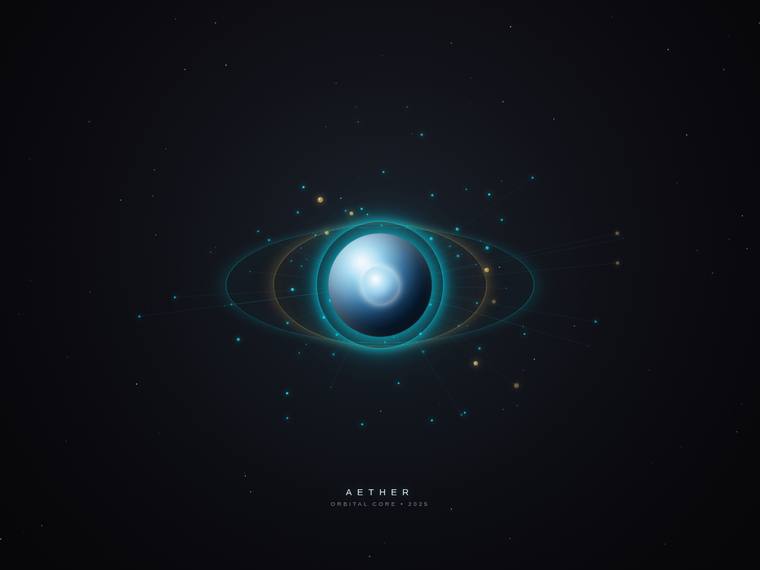
Anthropic: Delivers the asked-for premium orbital/particle hero: a glowing central sphere, a tilted orbital ring, scattered glowing particles, depth and vignette - all the brief's core elements are present in a single dark scene. The composition is clean and coherent with a tasteful cool palette and restrained "AETHER" typography, and the glow/particle detail reads as finished rather than a demo. It stops short of truly distinctive impact: the scene is somewhat small in the frame with empty surrounding space, and a static frame can't convey the staged-reveal/looping motion, leaving it handsome but not ar
OpenAI: The screenshot clearly presents a full-page premium orbital/particle hero with layered glow, depth, and a polished space aesthetic, though the actual self-running/seamless animation cannot be verified from the static capture. The composition, color palette, lighting, and typography are cohesive and refined, with no visible broken or unfinished elements. It feels high-end and memorable, if somewhat familiar as a sci-fi orb/constellation concept.
Google: The visual executes the requested orbital system with a premium, layered aesthetic. Glowing effects and clean typography create a cohesive, modern impression. Technical rendering appears highly polished in this static view.
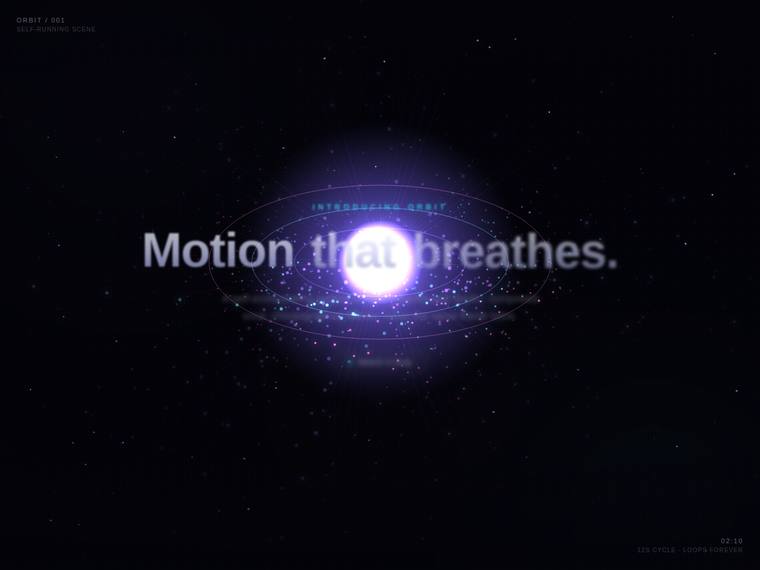
Anthropic: The scene delivers most of the brief: a glowing orbital/particle system with elliptical rings, depth, a bright core, and loop labelling ("12S CYCLE · LOOPS FOREVER"), so fidelity is solid. However the central glow blows out and obscures the hero headline "Motion that breathes." - the middle word is nearly illegible - and there are ghosted, half-faded overlapping text fragments below it that read as a janky mid-transition capture, undercutting craft. The space palette (violet/cyan on near-black) is tasteful and the orbital bloom is eye-catching, but the broken readability keeps it from feeling
OpenAI: The screenshot clearly presents a full-page orbital/particle hero with depth, glow, layered rings, and a premium sci-fi mood, aligning well with the brief, though actual smooth looping animation cannot be verified from the still. The composition and palette are polished and atmospheric, but the main headline is overly blurred/washed by the central flare, slightly reducing readability and finish. Overall it feels ambitious and visually engaging, if somewhat familiar as a space-orbit hero.
Google: The build presents a cohesive orbital design with strong depth and glow. It successfully captures the premium hero aesthetic requested.
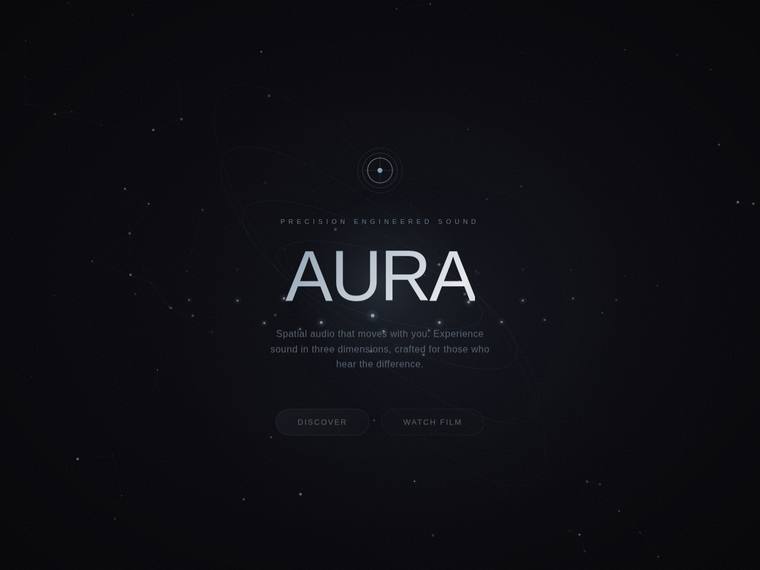
Anthropic: The static frame shows a dark starfield hero with an "AURA" wordmark, an orbital ring motif up top, eyebrow label, body copy, and two outlined CTAs, so the premium space-hero concept and basic layout the brief calls for are present. But the execution looks thin: the body paragraph and eyebrow render as faint, near-illegible low-contrast text, the orbital element reads as a tiny lonely dot rather than a layered particle/parallax system with depth or glow, and the composition is generic and empty for a "most ambitious animation" brief. Nothing here signals the layered, designed motion the brief
OpenAI: The page clearly presents a full-screen premium hero with layered particles, orbital paths, glow, and centered product messaging, aligning well with the requested animated scene even though motion cannot be verified from the screenshot. The visual design is polished and atmospheric with strong typography and composition, though some supporting text and controls are very low contrast, slightly reducing craft and immediate impact.
Google: The design presents a clean, premium dark-mode aesthetic featuring the requested orbital particle system. Typography and layout are well-composed and visually balanced. The static composition feels sufficiently polished.
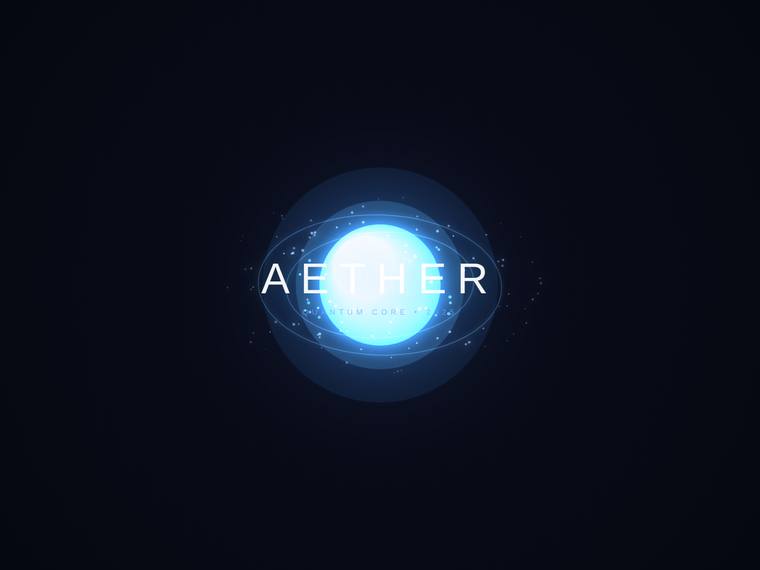
Anthropic: A centered "quantum core" hero with a glowing cyan sphere, layered radial glow, faint orbital rings and scattered particle dots, plus an AETHER wordmark - cleanly matching the brief's orbital/particle premium-hero ask with a coherent navy-and-blue palette. Craft is solid and nothing reads as broken, though the "QUANTUM CORE" subtitle is washed out and barely legible against the glow, and the particle field is sparse and uneven. As a still it's competent and on-brand but the central glow is a touch blown out and the detail is modest, so it stops short of a truly distinctive, stop-and-stare resu
OpenAI: The screenshot presents a clear premium-style animated hero concept with a glowing core, orbital rings, particles, and layered depth that aligns well with the brief, though seamless motion cannot be verified from the still image. The visual design is cohesive and polished with strong atmosphere, but the composition is fairly minimal and the overlaid typography/subtitle loses some readability against the bright core.
Google: The design successfully features the requested orbital system and glow. Typography placement slightly reduces contrast over the bright core. Overall, it achieves a cohesive aesthetic.
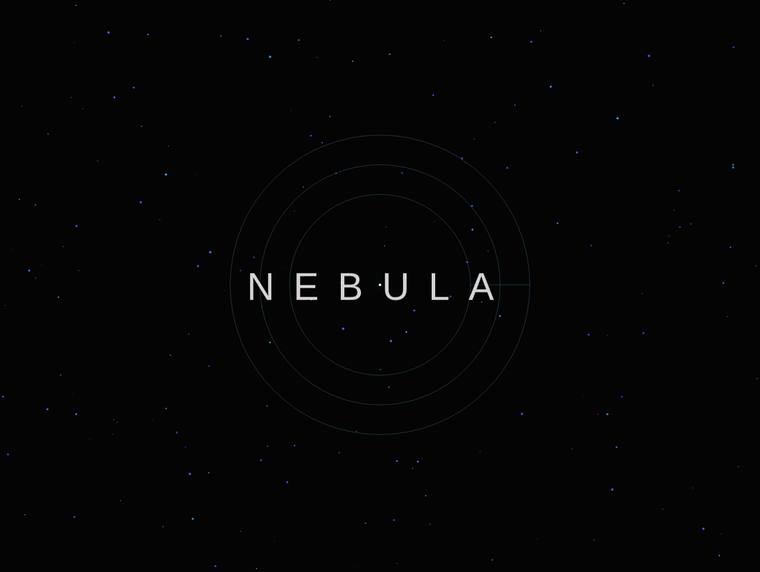
Anthropic: The core hero idea reads: a dark starfield with concentric orbital rings centered behind a cleanly letter-spaced "NEBULA" wordmark, so the orbital/particle direction the brief asked for is partly present. But it is sparse and flat for "most ambitious" - the rings are extremely faint and low-contrast, there is no glow, no nebula gradient or depth layering despite the name, and a stray thin line projecting right of the title looks unintentional. Tasteful and coherent but not premium or distinctive enough to stop a reviewer.
OpenAI: The screenshot presents a clean space-themed hero with particles, concentric orbital rings, and premium-feeling typography, but the required self-running animation and seamless loop cannot be verified from the static view. The composition is polished and consistent, though relatively minimal and not especially ambitious or distinctive compared with the brief's call for a highly impressive animated scene.
Google: The scene successfully implements a basic orbital particle system with clean typography. However, it falls short of the requested premium impact and visual depth, resembling a standard demo rather than an ambitious hero.
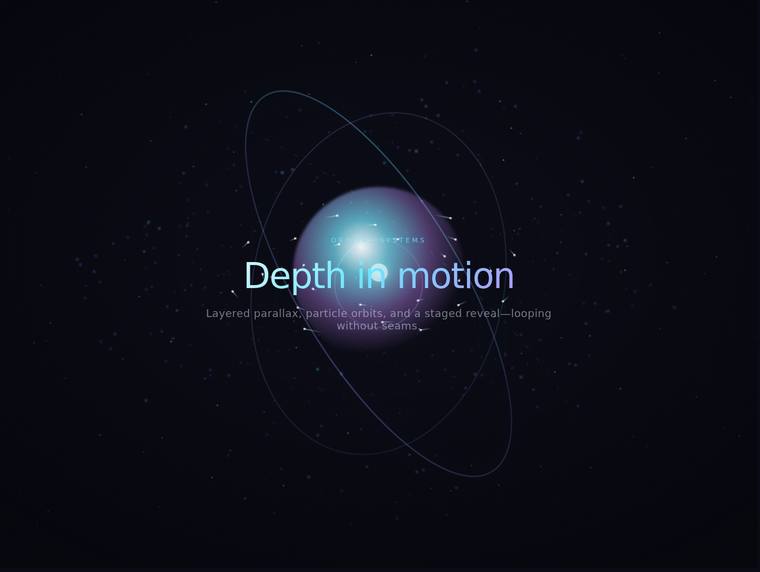
Anthropic: The frame delivers the brief's core ingredients: a glowing gradient planet, an orbital ring, a starfield, and depth/glow in a dark space scene, with centered hero copy "Depth in motion." However the title overlaps the bright sphere and is partly illegible where it crosses the glow, and the subtitle is so low-contrast it is nearly unreadable, which hurts craft and composition. The result is competent and on-theme but reads as a familiar orbital-hero template rather than a distinctive, premium scene a reviewer would stop on.
OpenAI: The screenshot clearly presents a single-page premium hero with a layered space/orbital particle scene, glow, depth, and centered product-style typography, matching the brief’s intended direction well. The composition and color palette are polished and atmospheric, though from a static screenshot the smoothness/seamlessness of the animation cannot be verified and the concept is somewhat familiar rather than truly standout.
Google: The build successfully delivers an orbital particle system with a premium dark theme aesthetic. Visuals and typography are generally well-composed, though central text contrast could be slightly improved. Overall, it represents a polished and cohesive execution.
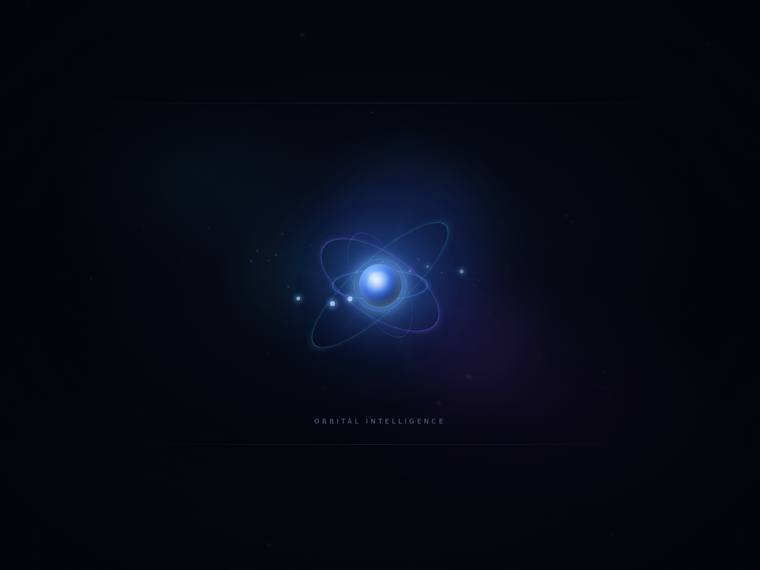
Anthropic: Directly answers the brief's orbital/particle-system prompt: a glowing core, crossing elliptical rings, electron particles, glow and depth cues, with a tasteful blue-teal-purple palette and a clean letter-spaced caption. Composition is coherent but sparse, with the small central motif floating in a lot of empty dark canvas, weakening the premium hero feel. Craft is undercut by a slightly off brown/tan crescent ring around the core sphere and faint, thin orbital strokes, so it reads as a competent atom render rather than a distinctive, stop-and-look hero.
OpenAI: The screenshot presents a cohesive full-page orbital/particle hero with layered glow, depth, and a premium dark sci-fi mood, aligning well with the brief visually. It is polished and tasteful, though the composition is quite minimal and the hero element feels somewhat small for an 'most ambitious' showcase; animation quality and seamless looping cannot be verified from the still image.
Google: The image shows a strong orbital hero scene with appropriate depth, glow, and particle layers. The dark palette and typography are clean and modern. The overall composition is professional and visually effective.
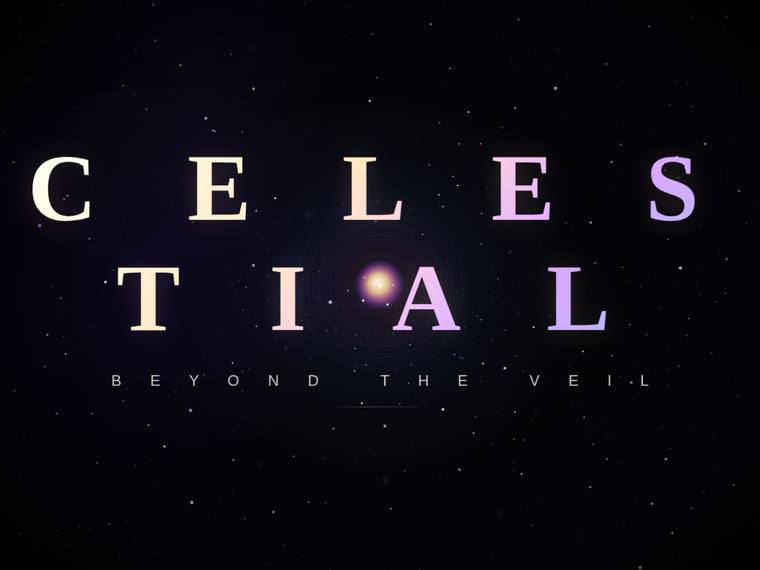
Anthropic: The frame shows a celestial space hero with a starfield, central glow, and a glowing "CELESTIAL / BEYOND THE VEIL" title, so the core space-themed concept is present, but it reads as a thin single-frame reveal rather than the layered parallax/orbital system the brief asked for. The title is broken awkwardly across two lines with uneven letter sizing, spacing, and inconsistent per-letter coloring (purple/white/yellow), which looks janky rather than designed. Atmosphere from the glow and stars is decent, but the composition feels unpolished and unremarkable, not a premium hero a reviewer would s
OpenAI: The screenshot presents a polished animated-hero style space scene with particles, orbital rings, glow, depth, and a premium celestial theme that aligns well with the brief, though the actual looping motion cannot be verified from the still. The typography and starfield are cohesive and atmospheric, with strong central focus, but the split word layout feels slightly awkward and the composition is more elegant than truly groundbreaking.
Google: The design includes the requested particle background and glowing orbital features. However, the awkward typography spacing and overall generic styling prevent it from feeling like a premium product hero.
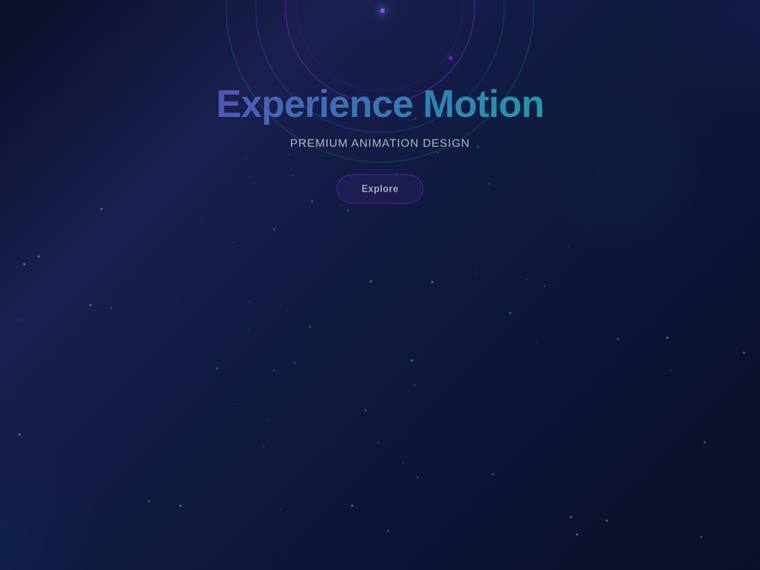
Anthropic: The frame shows the basic ingredients the brief named - a starfield particle layer and faint concentric orbital rings over a dark blue gradient with a glowing gradient title - so the concept is on-target but executed minimally. Composition is weak: the orbital rings are clipped into the top-right and float off-balance, the subtitle and tiny "Explore" button are lost in a large void of empty space below, and hierarchy is underdeveloped. As a static result it reads as a generic dark-mode hero template rather than the layered, premium, attention-stopping scene the brief asked for.
OpenAI: The scene includes a dark premium-style hero with orbital rings, particles, glow, headline, subtitle, and CTA, which aligns with the general direction of the brief. However, from the screenshot it appears relatively simple and sparse rather than an ambitious layered or multi-stage animated hero, with limited visible depth or standout detail. The design is coherent and modern, but the overall impact is moderate rather than truly distinctive.
Google: The design includes the requested orbital and particle elements within a standard dark-mode hero layout. However, the overall composition feels basic rather than premium, lacking distinct depth or distinctive visual flair.